What Is the Yes or No Tarot?
The Yes or No Tarot is the most direct way to read the cards: instead of a full spread to interpret, you ask one clear question and draw a single card for a clear answer. This online yes no tarot keeps the ritual intact — you focus, the deck shuffles, a fan of cards spreads out, and the one you pick flips over to reveal a piece of the Major Arcana — then tells you, plainly, yes, no, or ask again.
There's nothing to download and no sign-up. Shuffle, pick a card, and watch it turn over to read what it carries. It's the quickest way to ask the tarot a yes or no question whenever a decision has you stuck.
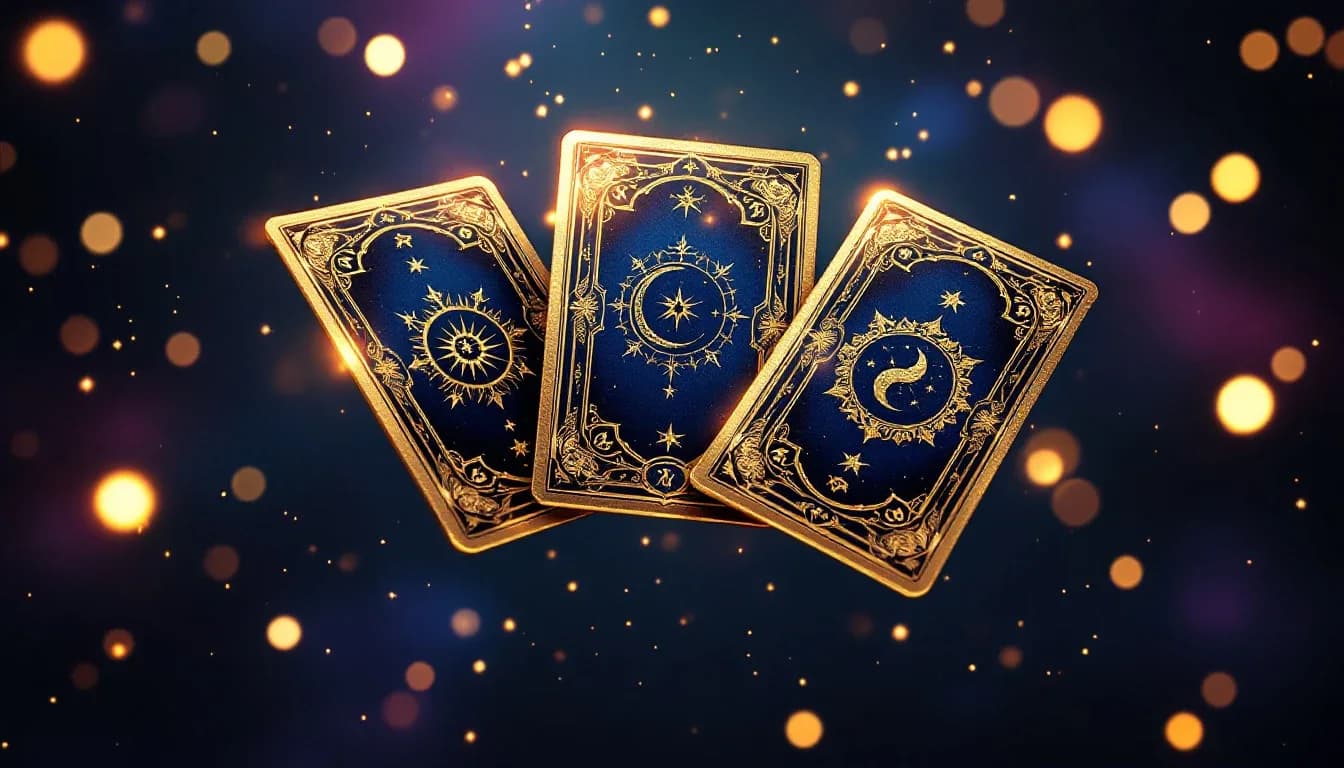
How to Draw a Yes or No Card
A single-card draw rewards a clear question. Phrase it so a yes or a no actually means something — “Should I reach out to them today?” works; “What is my path?” does not. Then:
- Settle on one clear yes/no question and hold it in mind.
- Tap “Draw a Card” and let the deck shuffle.
- Pick any card from the fan that spreads out — trust the pull.
- Watch it flip over and reveal its face, then read the answer — and notice your very first reaction to it.
That first flicker when the card turns tells you more than any long analysis. Sometimes you only learn what you were hoping for the instant the tarot shows you the opposite.
Free One-Card Tarot, No Sign-Up
This is a completely free yes or no tarot — no account, no payment, and no limit on how many cards you draw. It's a free tarot reading stripped to its essence: the one-card method is the purest form of the practice, a single tarot card to a single question, with no ten-card spread to puzzle over and no prior tarot knowledge required.
That simplicity is also why it works. A one card tarot reading gives you nowhere to hide — you can't hedge across several cards or keep drawing until you find the answer you wanted. You ask, one card turns, and you sit with what it shows you. For most everyday questions, that single honest pull is all the clarity you need.
Which Tarot Cards Mean Yes, No & Maybe
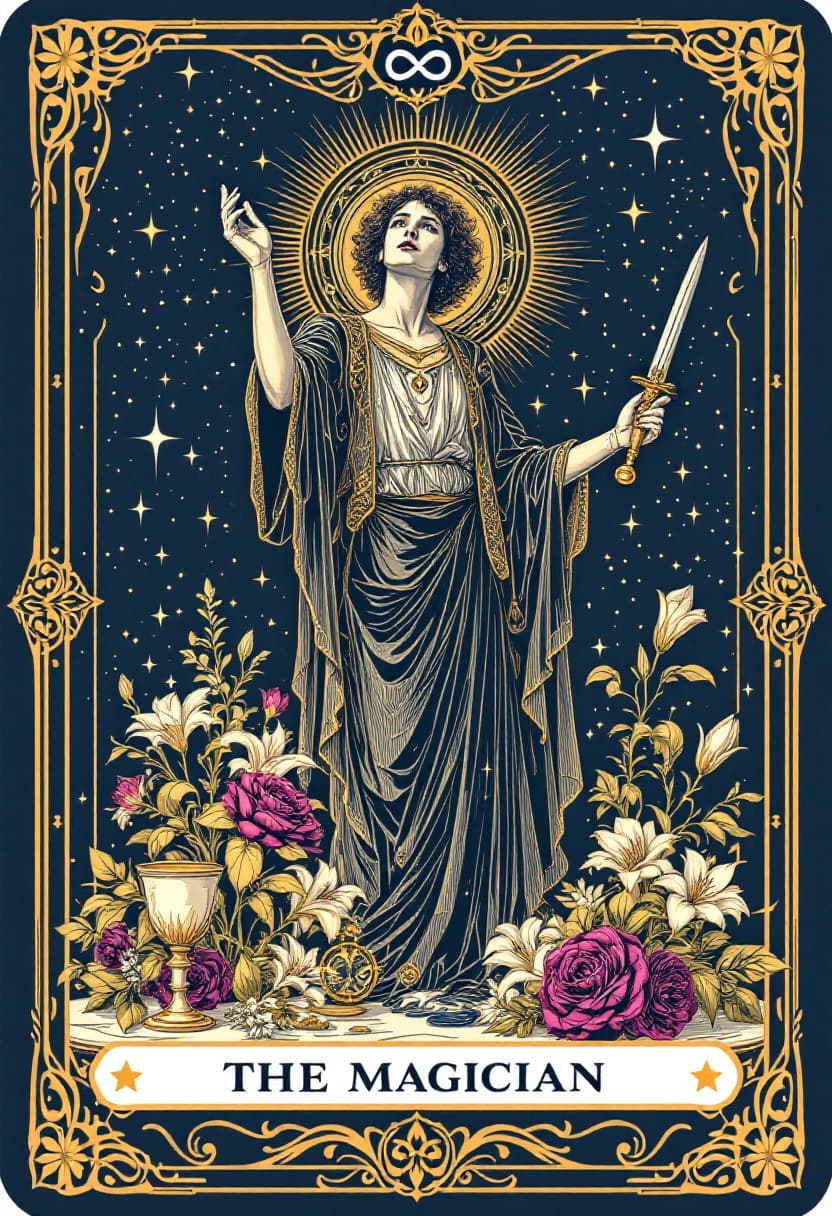
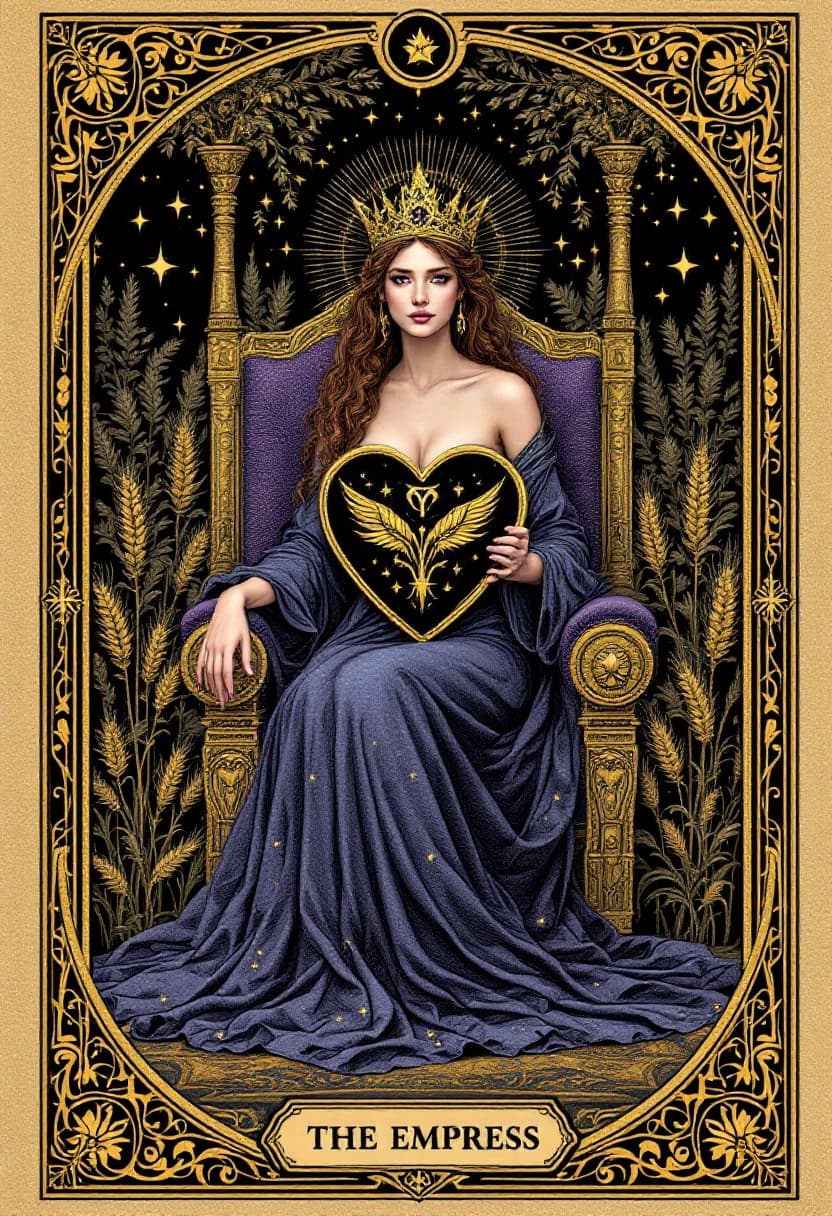
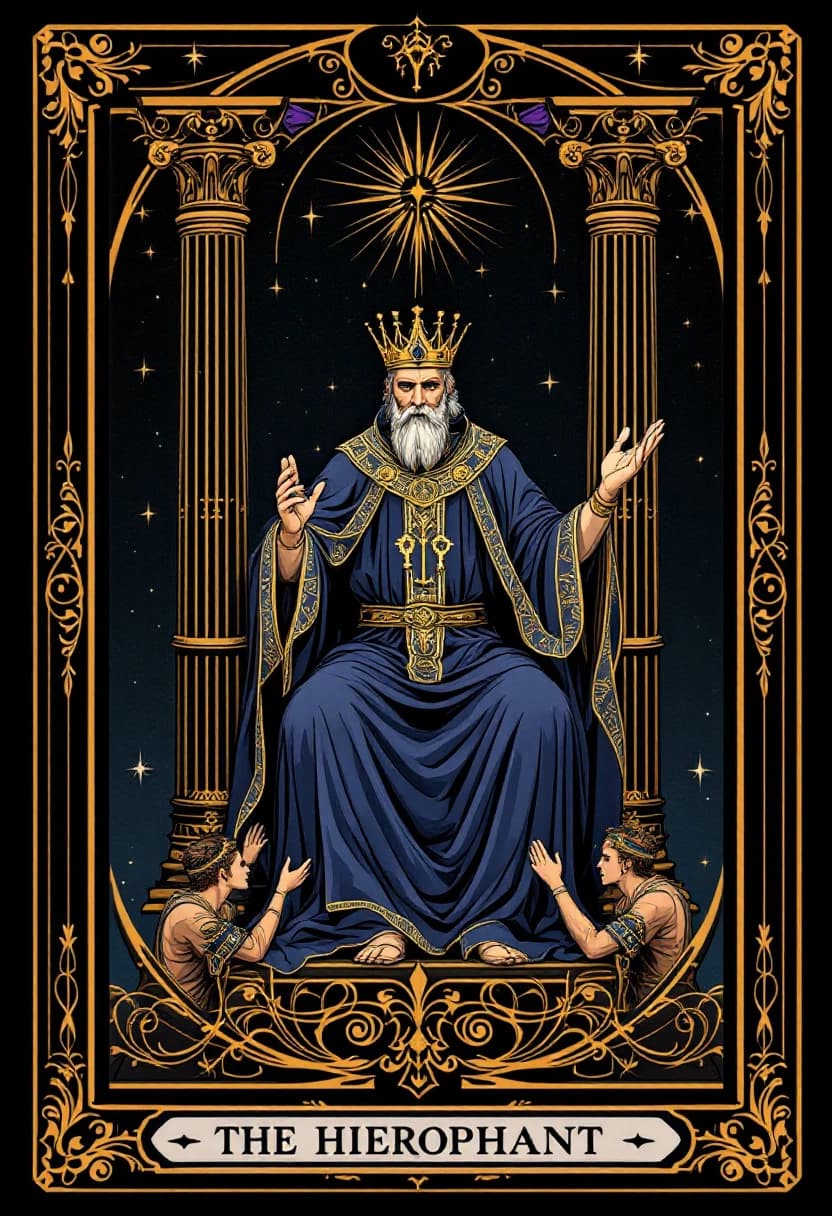
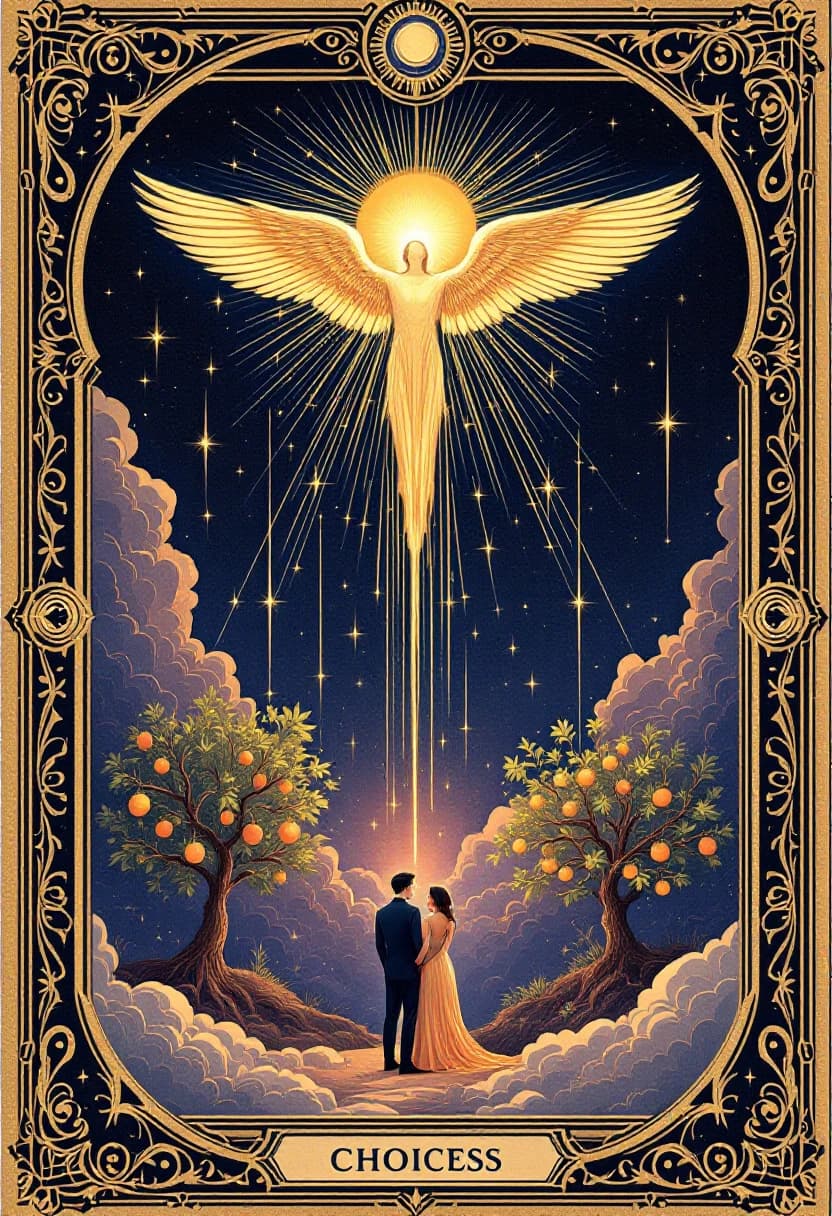
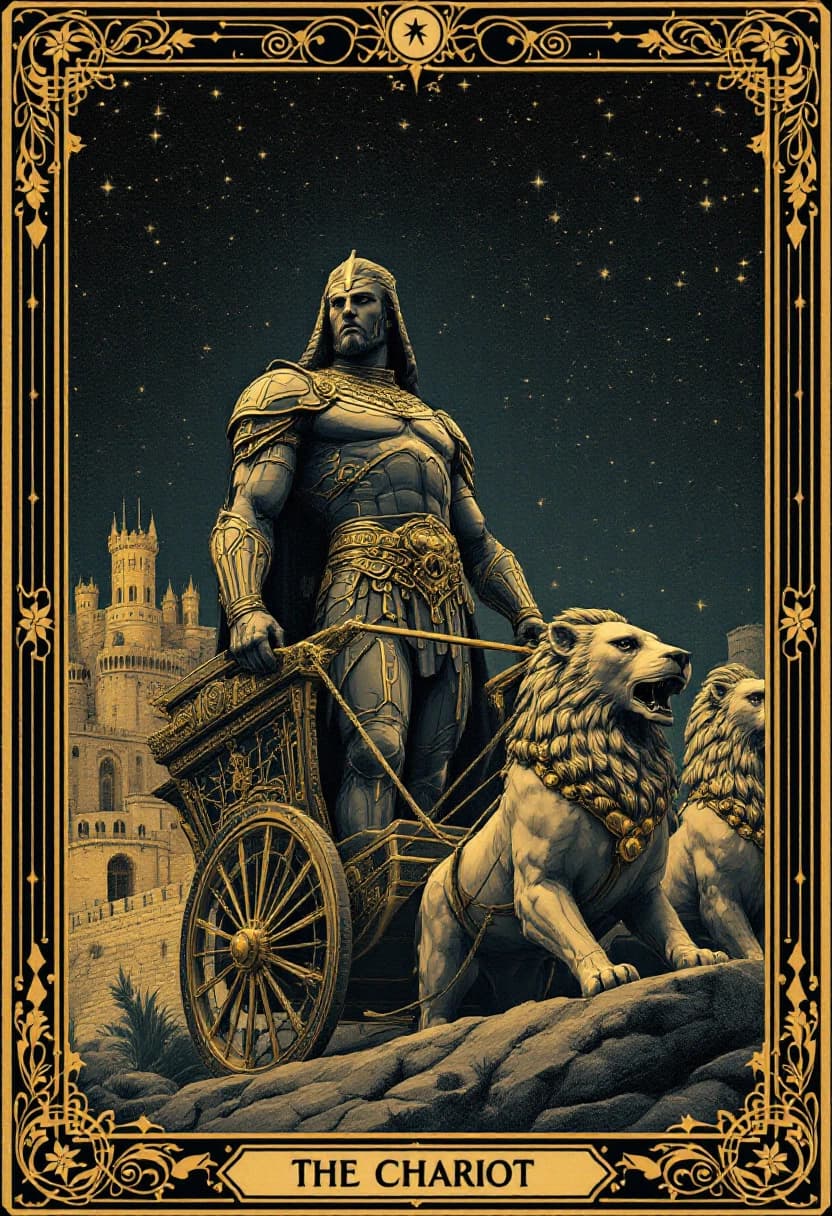
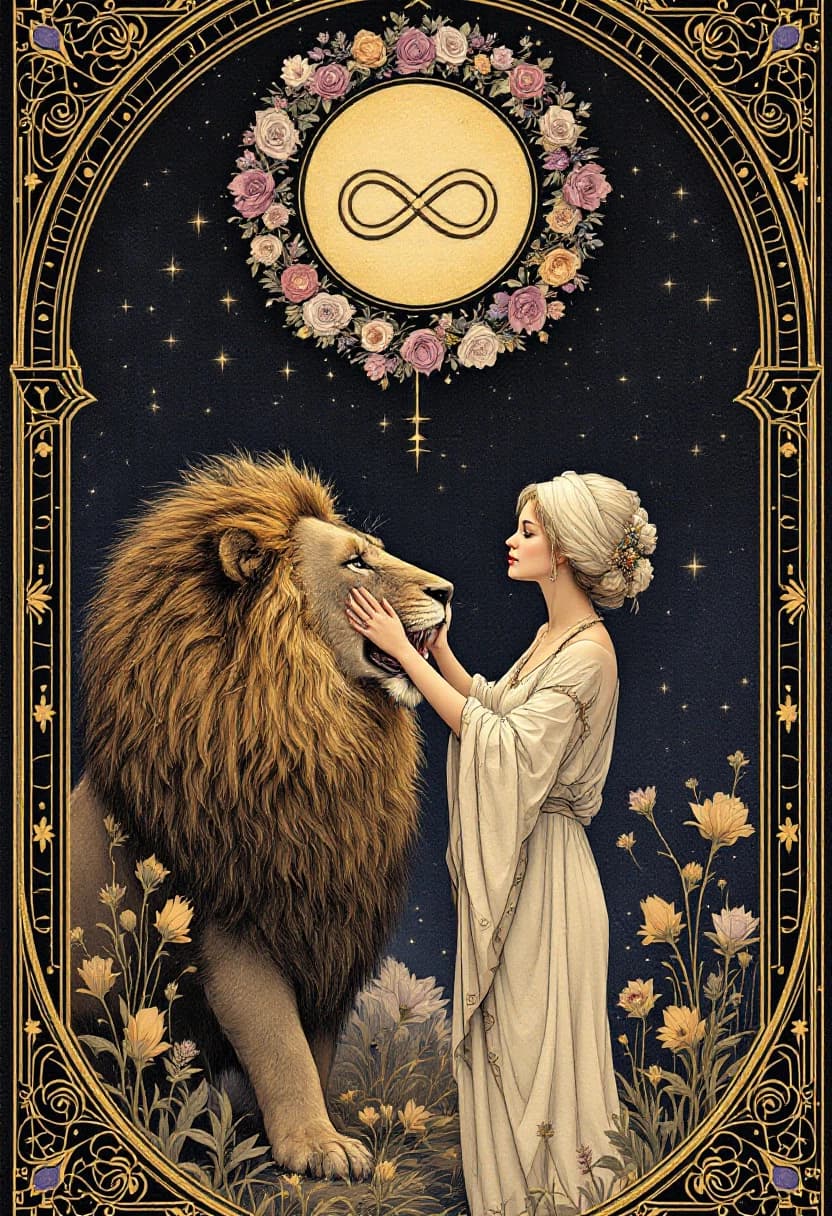
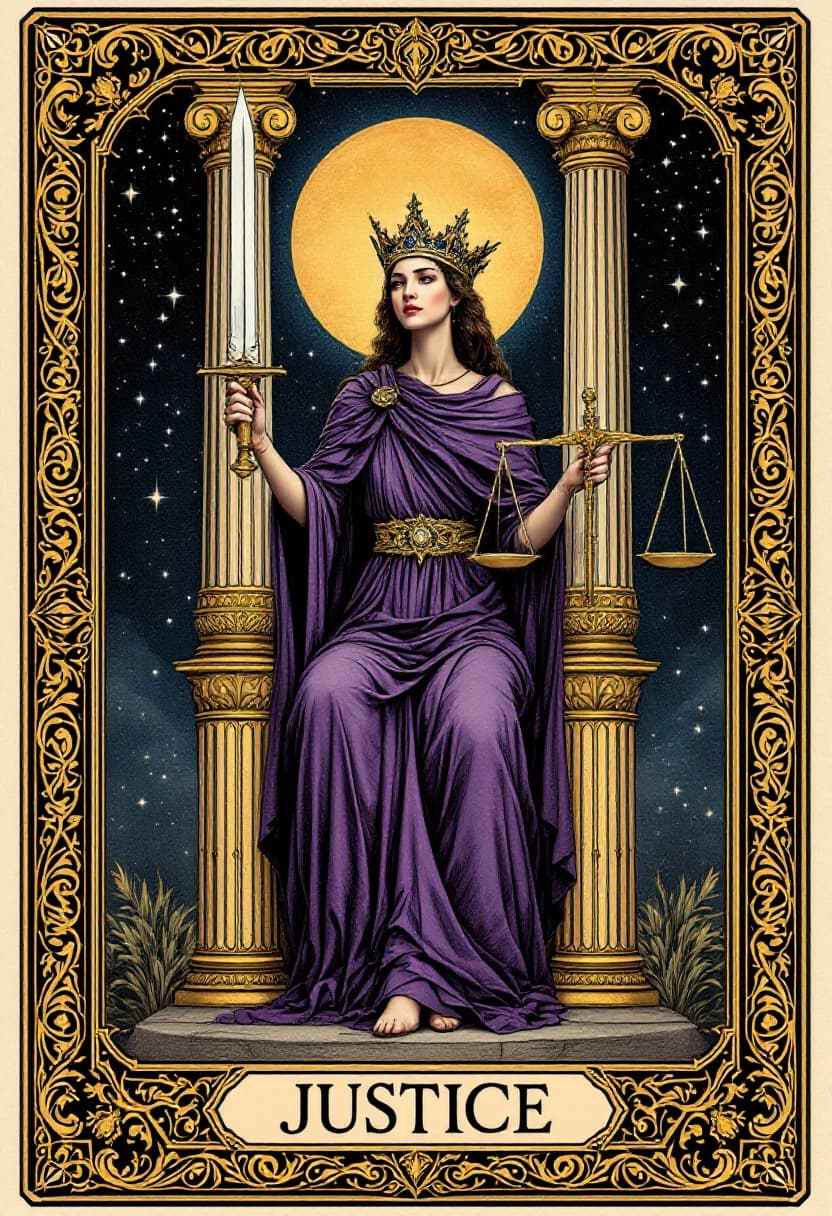
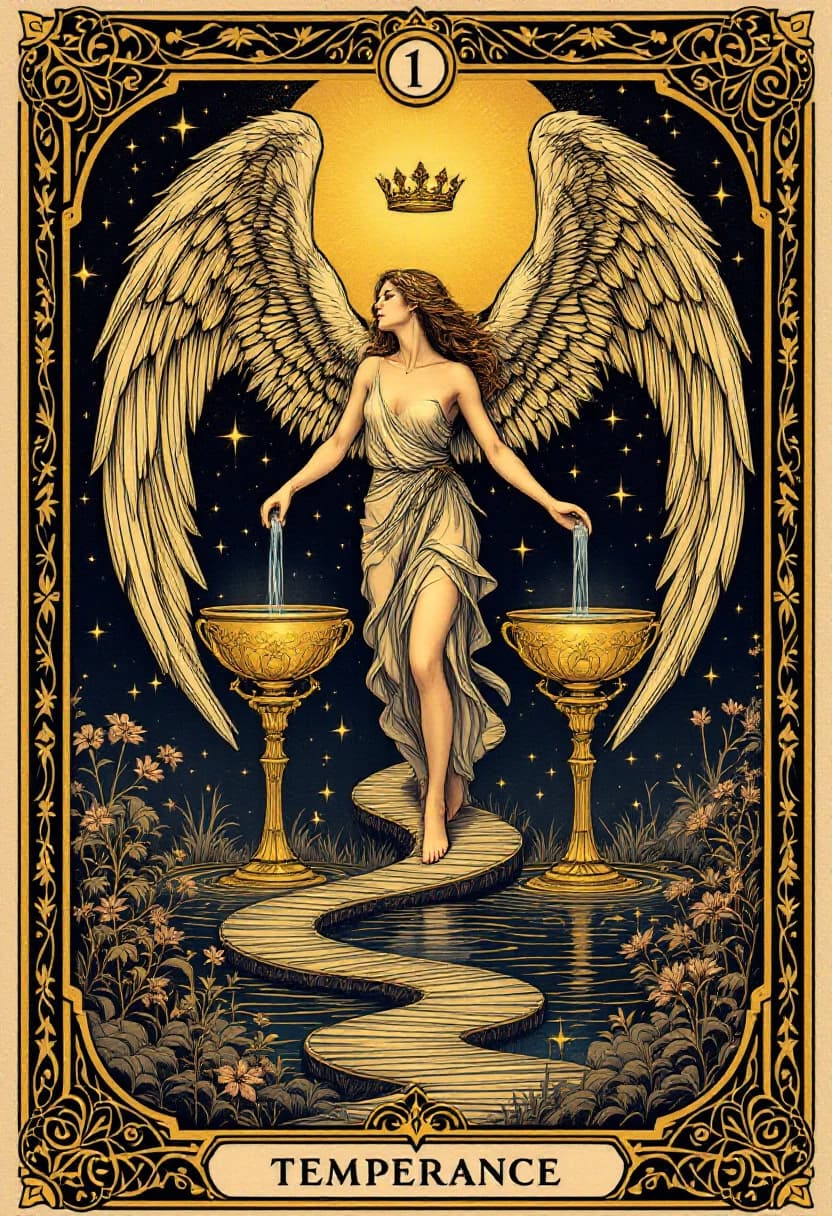
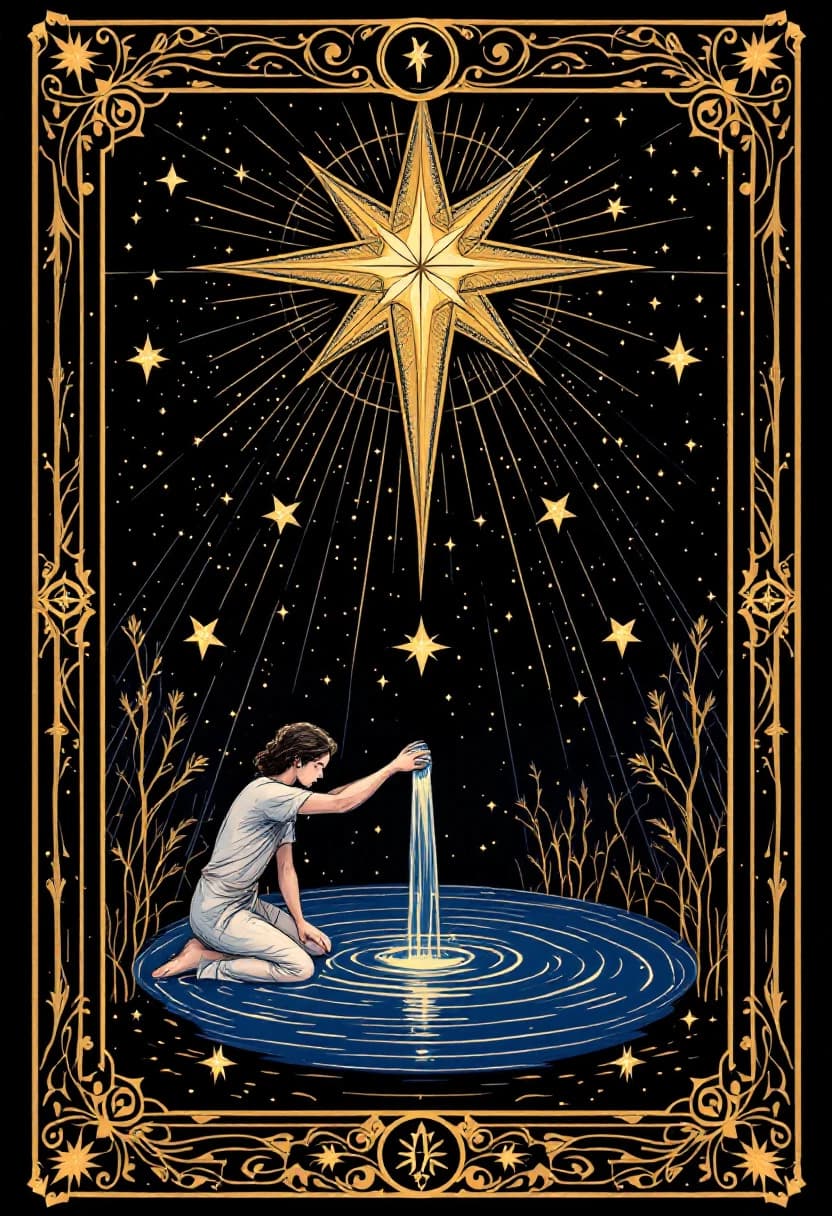
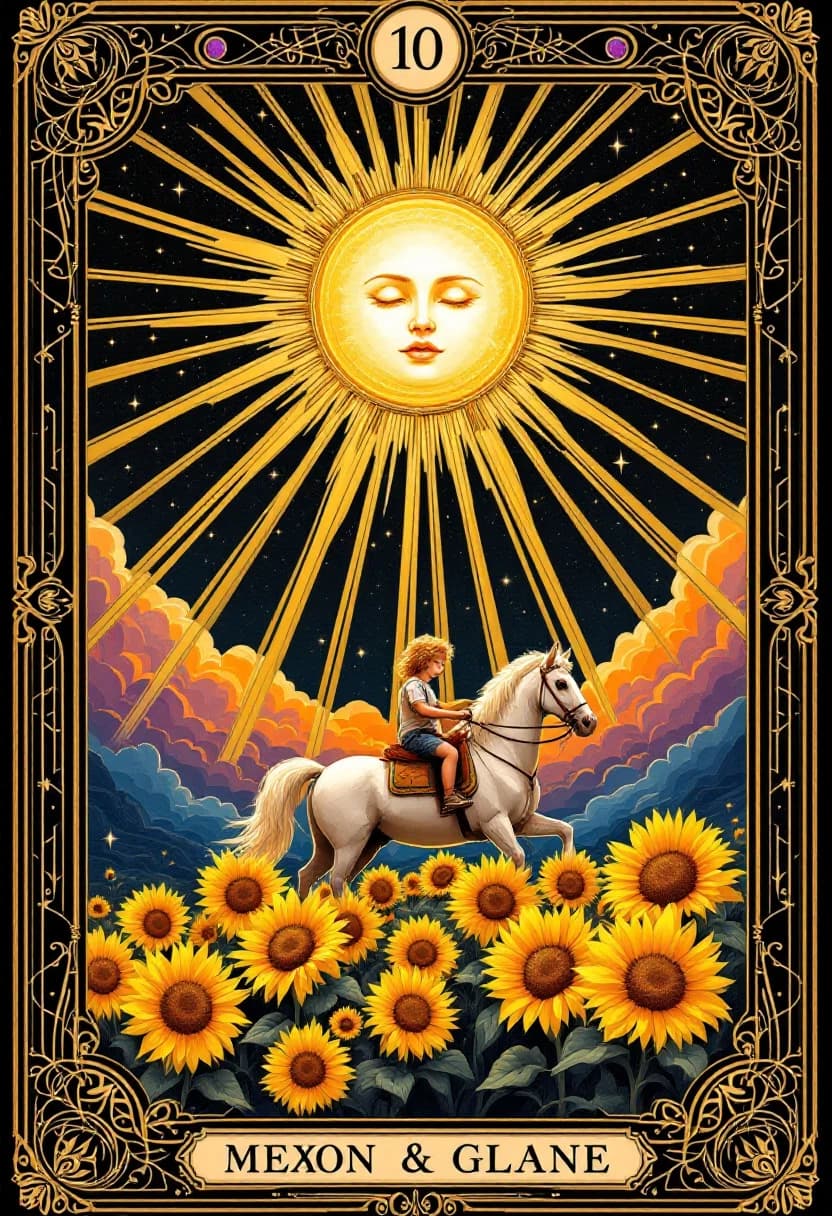
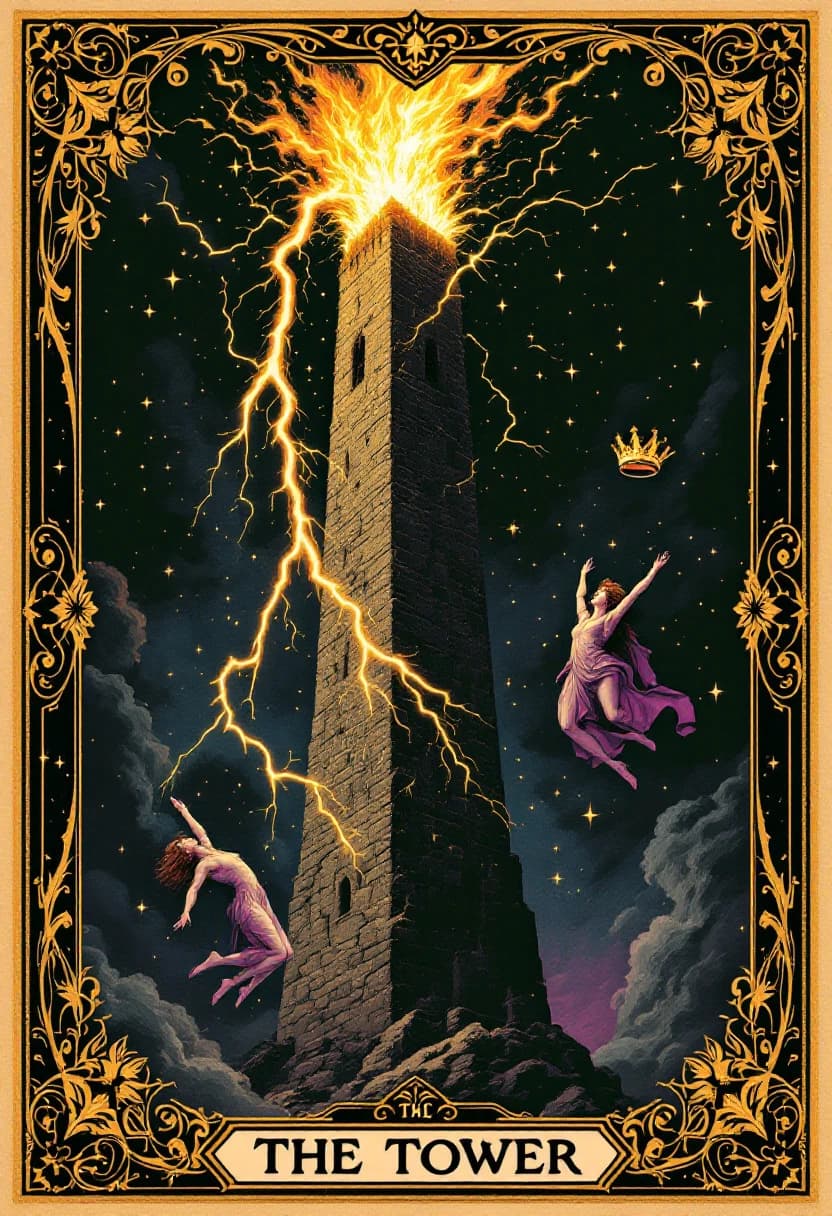
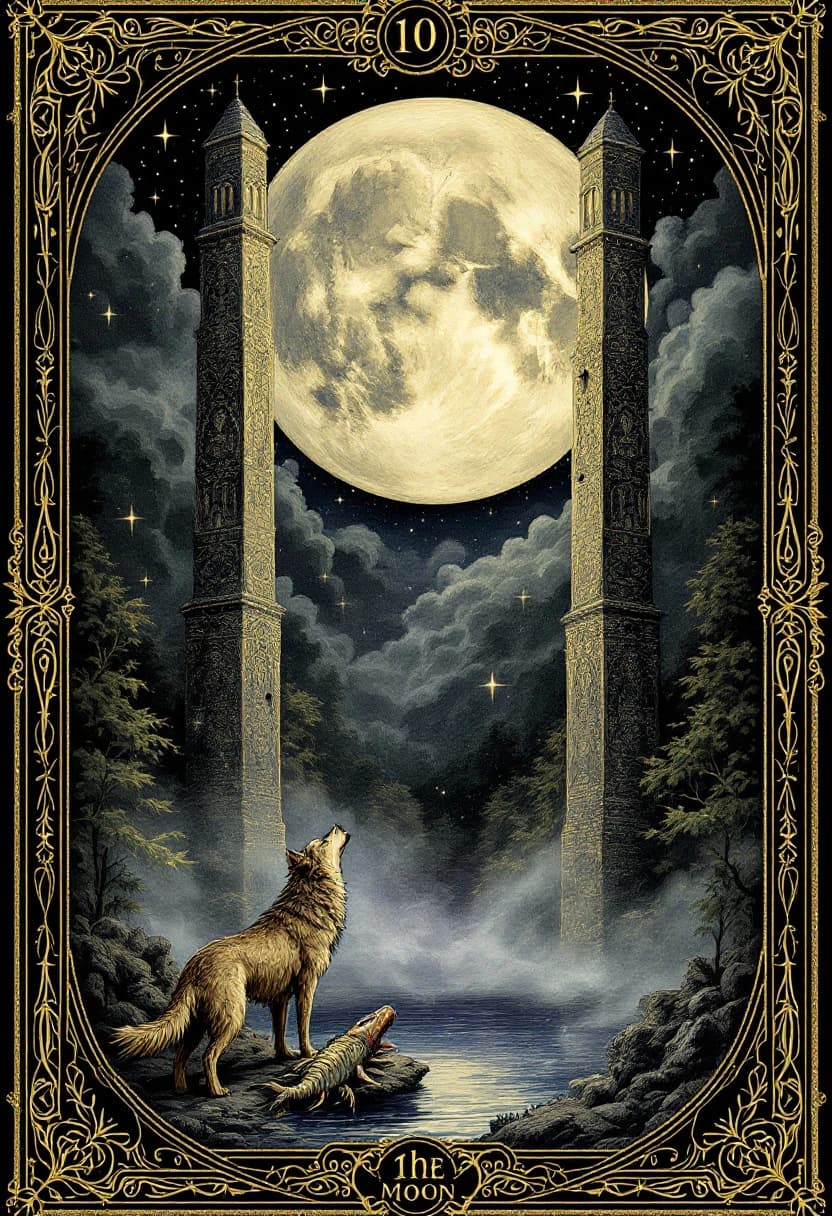
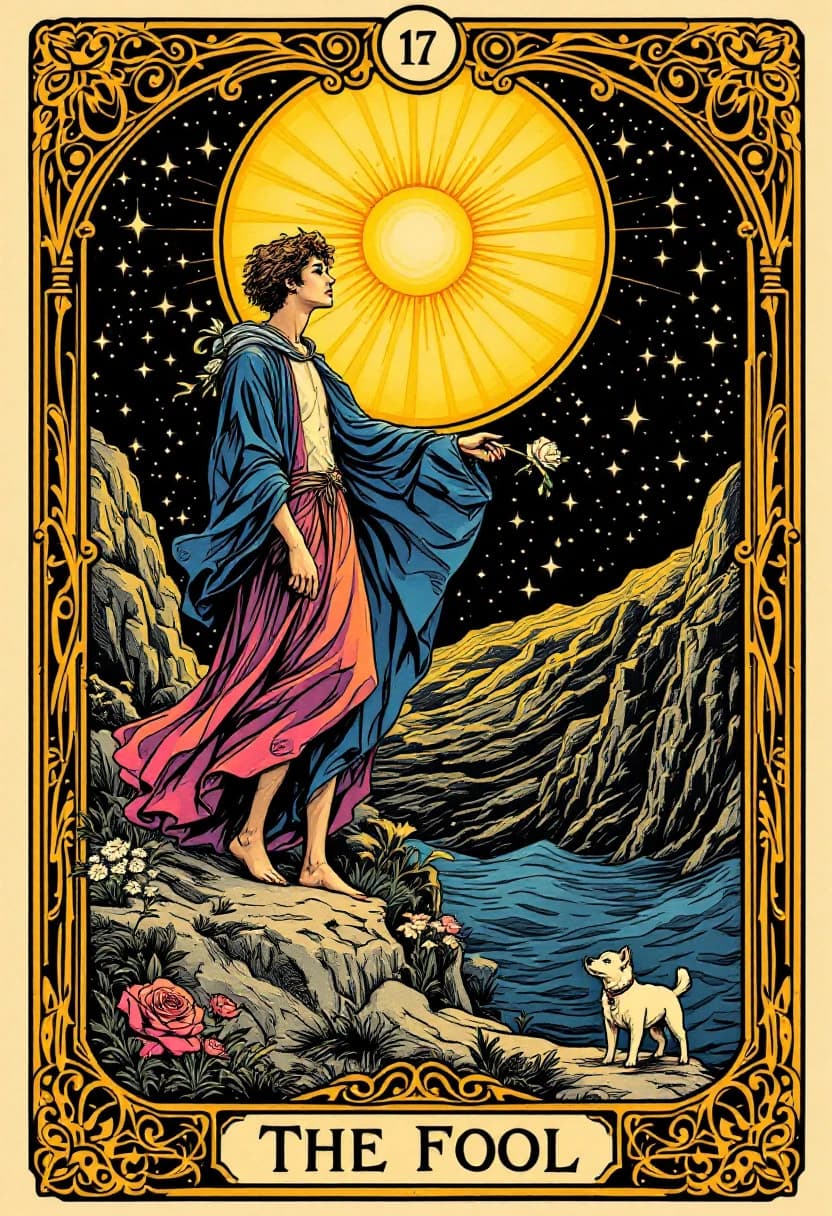
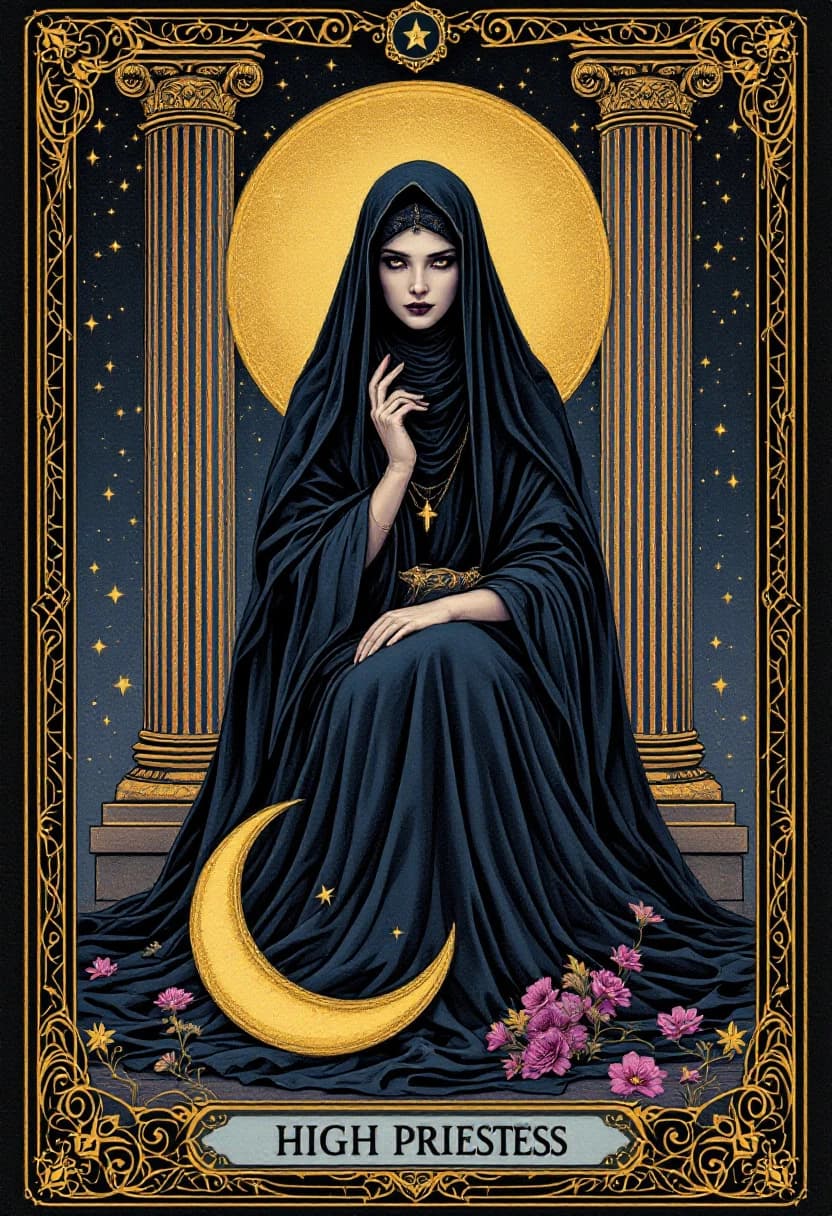
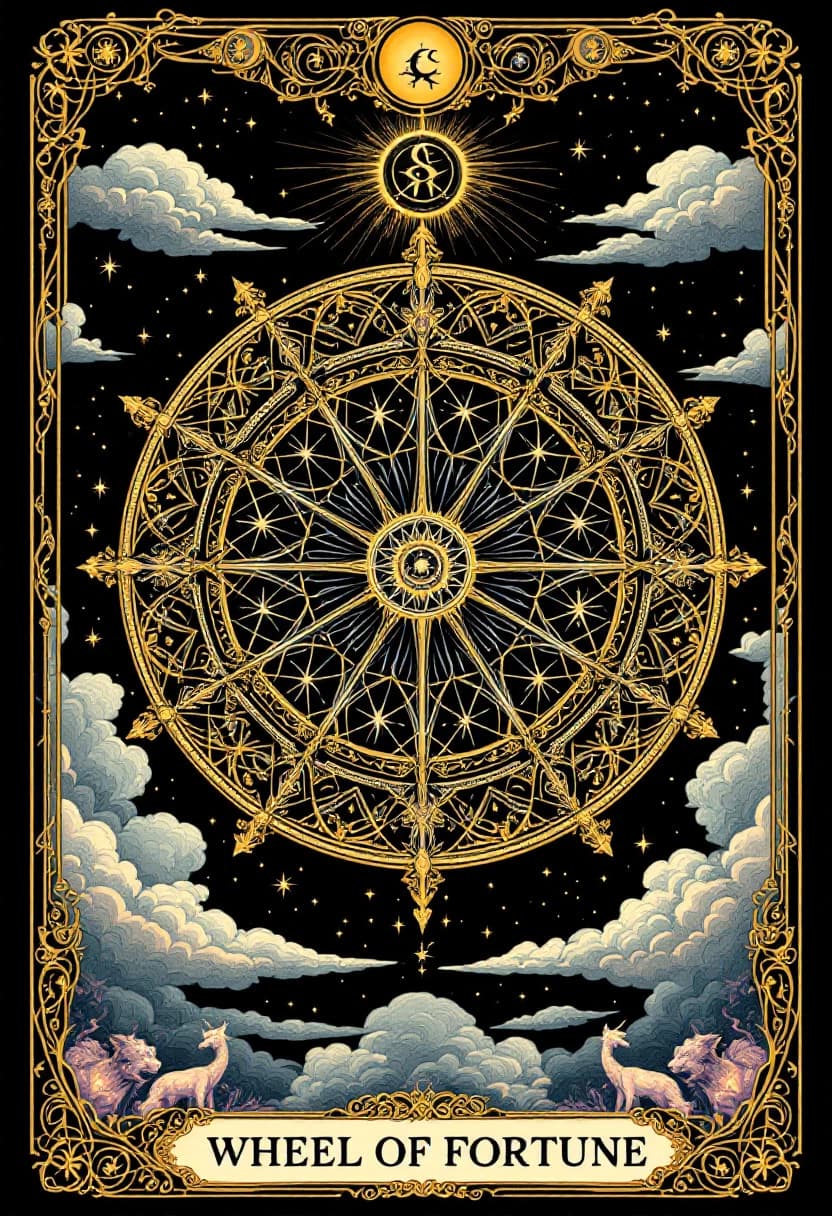
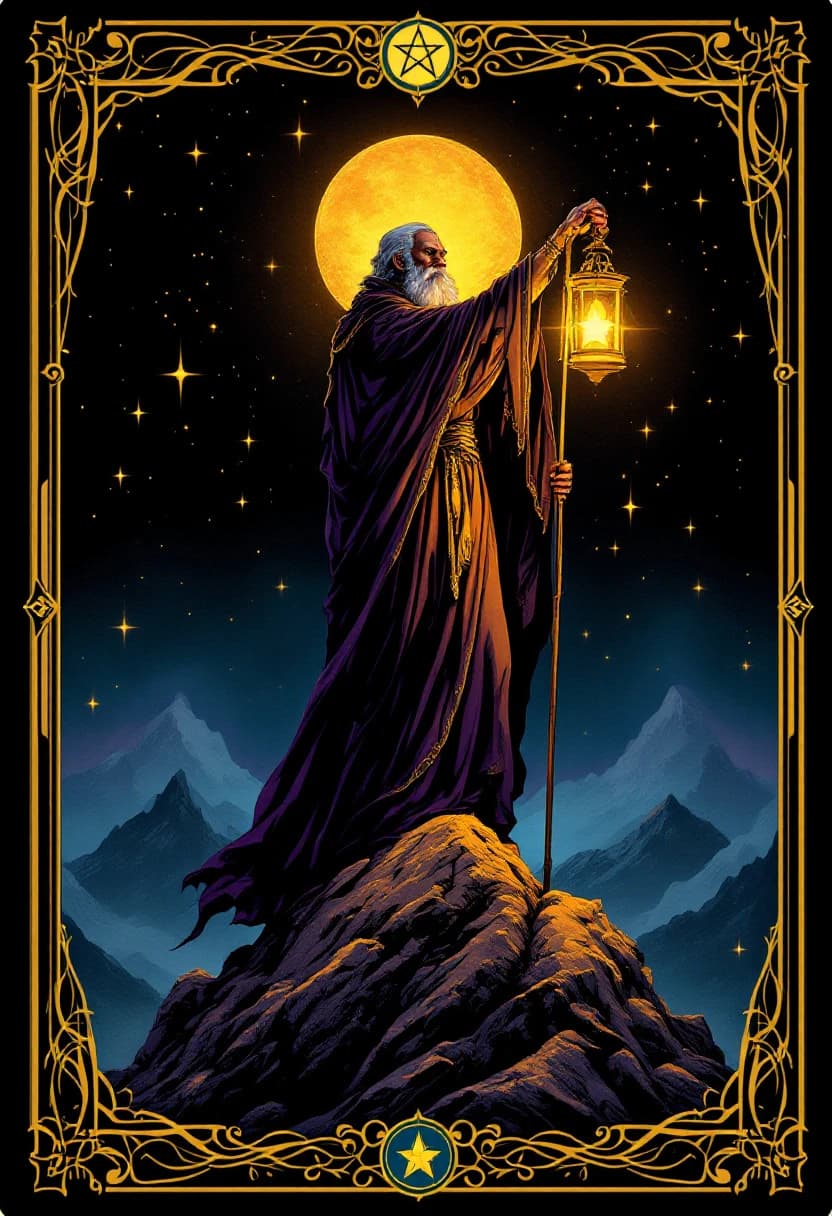
In a yes/no reading, each card carries an energy. This tool draws from a curated set of the Major Arcana — bright cards for yes, cautionary cards for no, and ambiguous, in-motion cards for maybe (ask again).
Yes cards
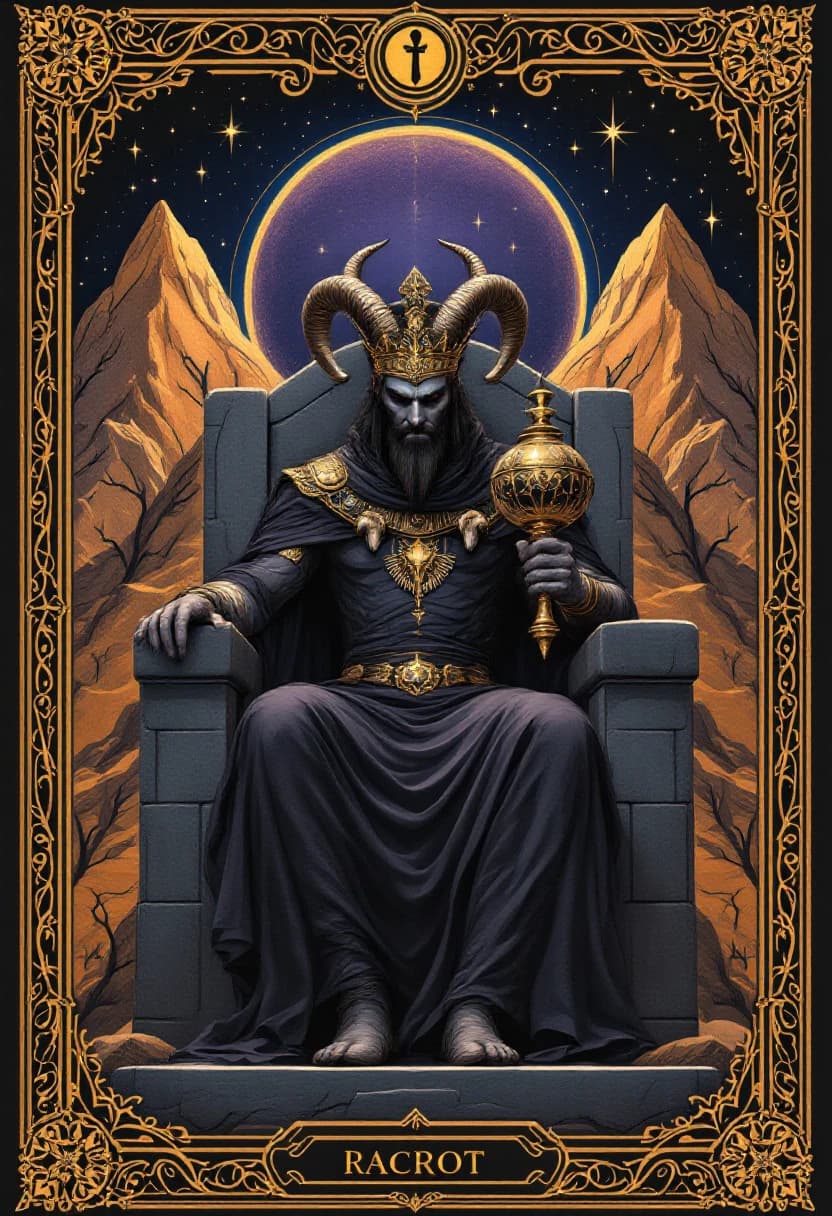
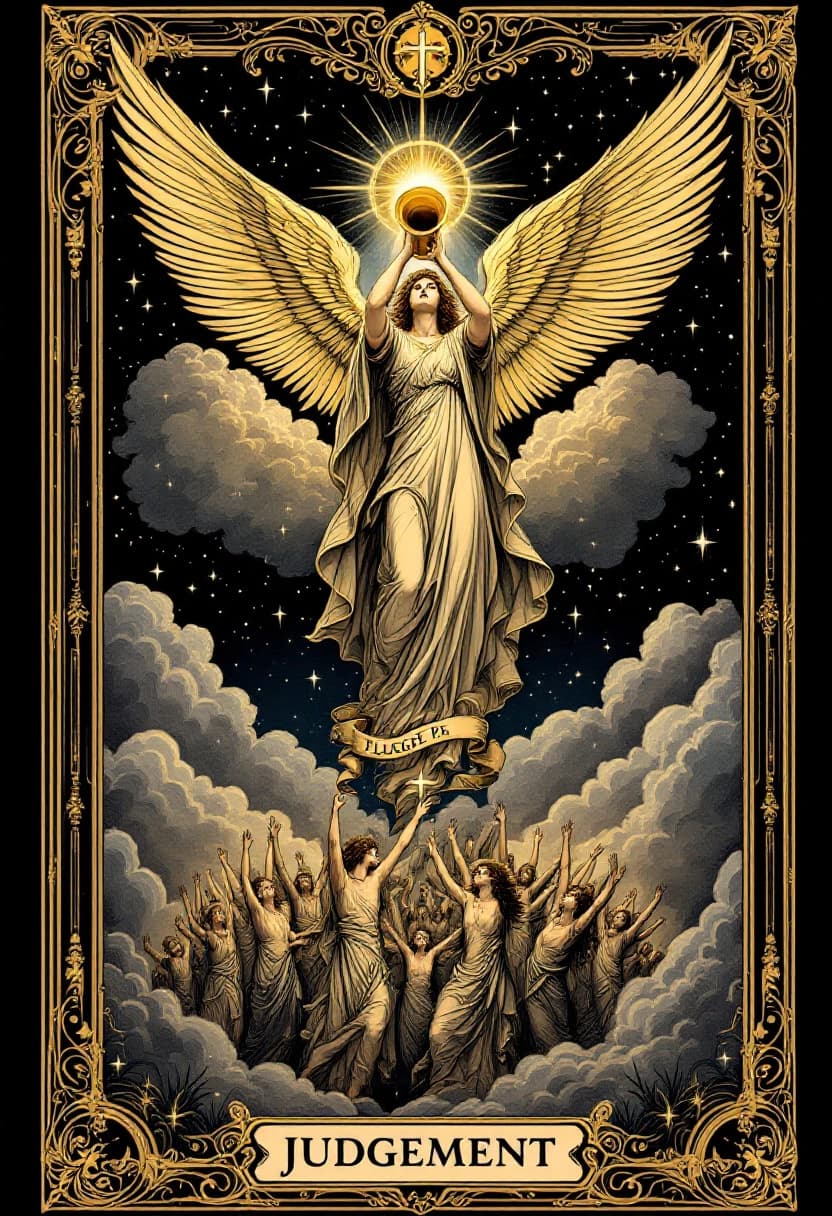
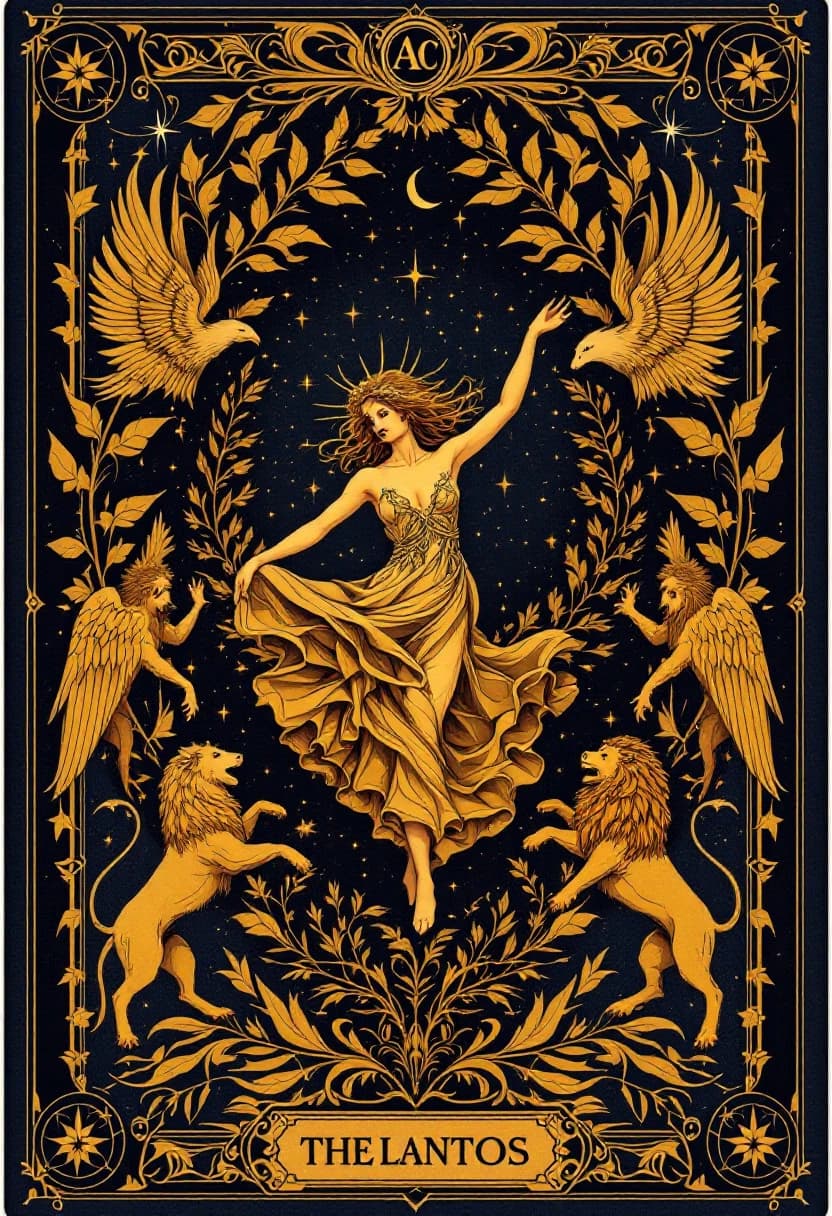
No cards
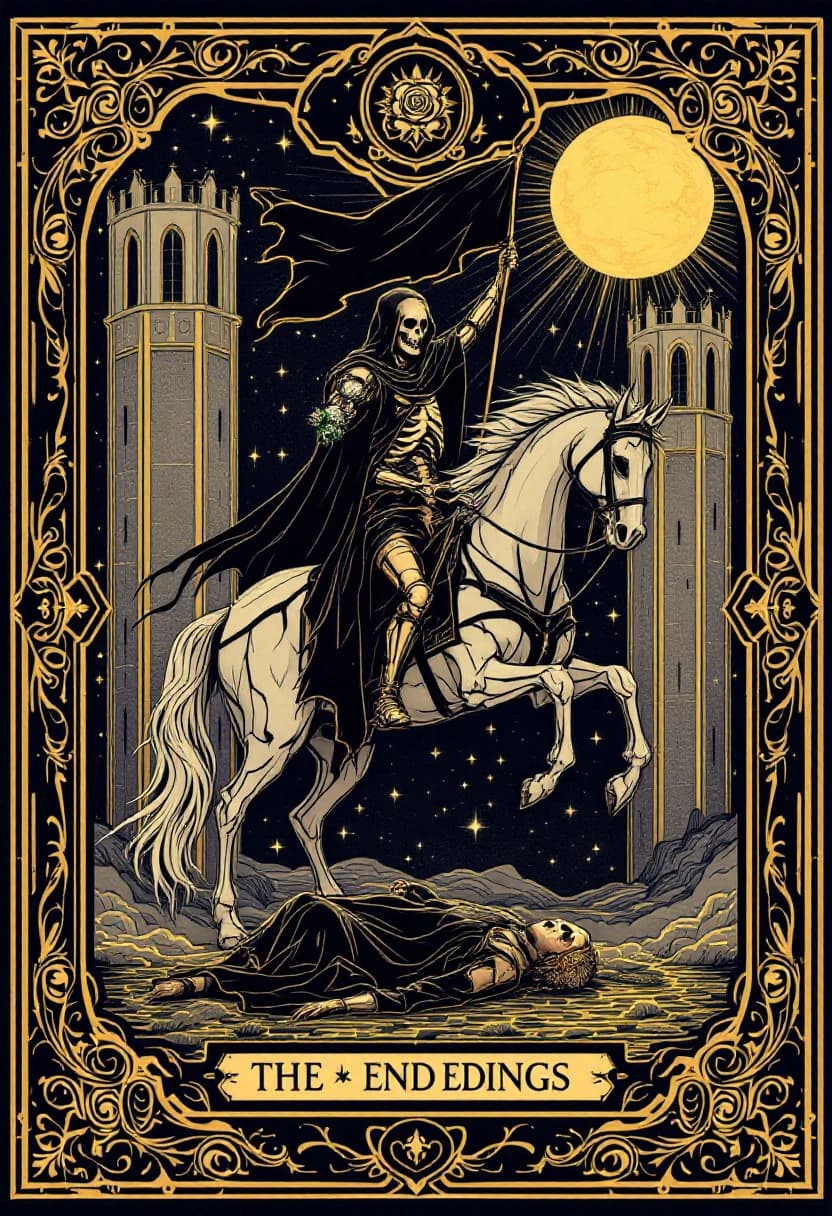
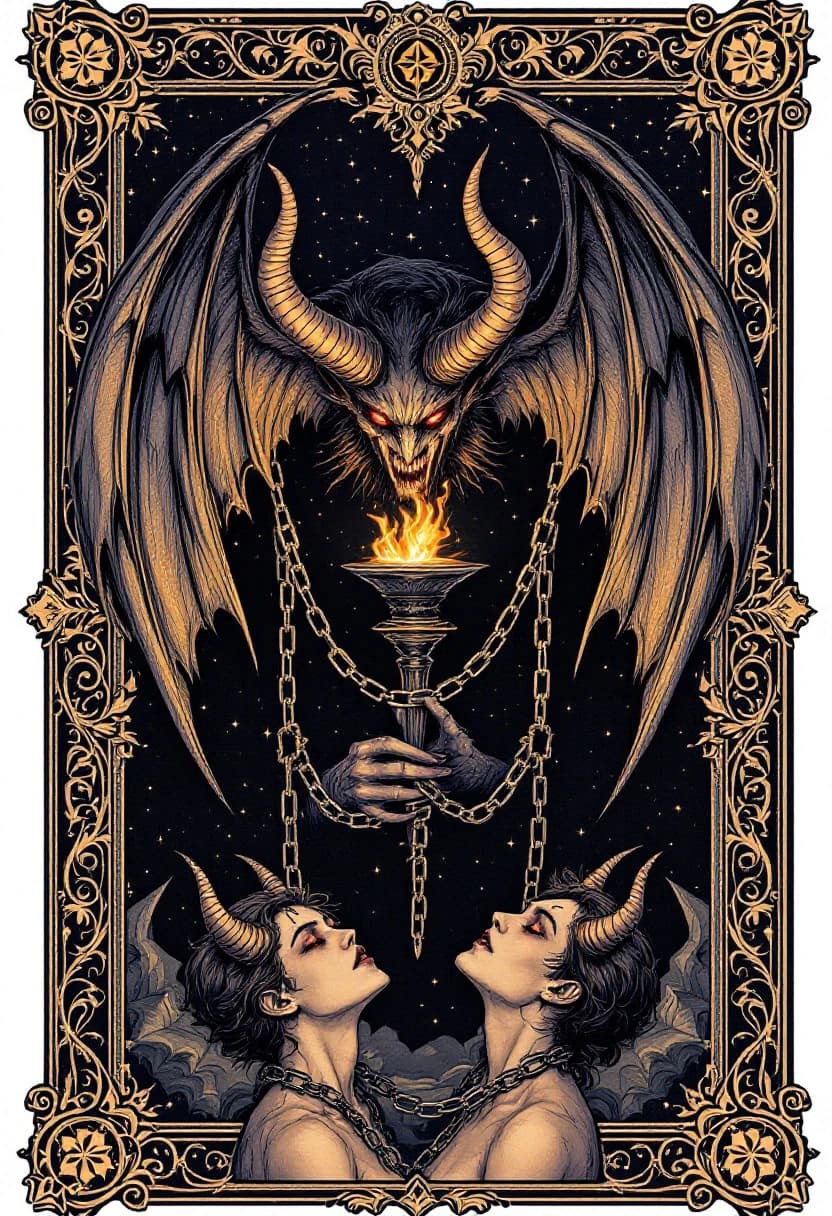

Maybe · ask again
Love, Work & Life: What People Ask
Love. The yes or no tarot is most often consulted about the heart. Do they feel the same? Should I reach out? Is this going somewhere? When feelings cloud clear thinking, a single card gives your instinct a clean image to respond to.
Work and money. Should I take the offer? Is now the time to make the move? When a choice has stalled in endless analysis, one drawn card gives you a starting point to act from.
Everyday crossroads. Should I go? Should I say something? Is this worth my time? The tarot handles the small, stuck moments as well as the big ones — and those small ones are where a quick draw shines.
Yes or No Love Tarot
Love is where the yes or no love tarot earns its keep. These are the questions we turn over in private — the ones we're almost too vulnerable to say out loud, even to ourselves. Will they reach out? Is this relationship worth holding onto? Am I reading this right? When feelings run high, a clear head is the hardest thing to keep.
A single love tarot card won't script how your relationship unfolds, and it won't tell you what someone else is thinking. What it does give you is a clean prompt for your own intuition — an image to react to the moment it turns. Relief, dread, surprise: your first feeling about the card is usually the honest answer you've been talking yourself out of. Draw, notice it, and let that be your starting point.
Is the Yes or No Tarot Accurate?
When people search for the most accurate yes or no tarot, they usually want something that feels more meaningful than a coin flip. The honest answer: the cards' value isn't fortune-telling, it's clarity. A card lands because its image gives shape to what you already sense — not because it foresees events.
For anything serious — medical, legal, financial, or safety decisions — please consult a qualified professional. The yes no tarot is at its best for the everyday questions where a gentle nudge is all you need to stop circling and move forward. Cartomancy is only one approach. Our guide tothe main types of divination covers the others and what each is good for.
Frequently Asked Questions
- How does the yes or no tarot reading work?
- You focus on one clear yes-or-no question, the deck shuffles, and a fan of cards spreads out. Pick one and it flips to reveal a card from the Major Arcana. Each card carries a yes, no, or maybe energy — bright cards like The Sun and The Star read as yes, cautionary cards like The Tower and The Moon read as no, and ambiguous cards like The High Priestess invite you to ask again. There's nothing to install and no sign-up — just draw a card and read what it says.
- Which tarot cards mean yes, no, or maybe?
- In a yes/no reading, cards are grouped by their energy. Yes cards are positive and forward-moving — The Sun, The Star, The World. No cards are cautionary — The Tower, The Moon, Death, The Devil. Maybe cards are ambiguous or in-motion — The High Priestess, the Wheel of Fortune, The Hermit — and usually mean “ask again” or “reflect first.” This tool draws from the full Major Arcana.
- Is the yes or no tarot accurate?
- Tarot is a tool for reflection, not prediction. It can't see the future and doesn't claim to. What a yes/no tarot draw does well is give your intuition an image to react to: notice your first feeling when the card turns over — relief, resistance, surprise. That reaction is usually the real answer, and the card simply brought it to the surface.
- Is the tarot reading free?
- Completely. The free yes or no tarot runs on any device, with no account, no payment, and no limit on how many cards you draw. Every card and its full reading are included.
- What about upright and reversed cards?
- In many yes/no systems an upright card leans yes and a reversed card flips the energy toward no. Here we keep it simpler and clearer: each card carries a single, honest yes / no / maybe reading, so you get a definite answer to react to rather than a puzzle to decode.
- How do I ask a good yes or no tarot question?
- Keep it specific, present-tense, and genuinely answerable with a yes or a no. “Should I message them today?” gives the card something concrete to respond to; “What does my future hold?” is too open for a single draw. Avoid “why” and “how” questions — they invite a story, not a clear answer. One concern, one question, one card.
- Can I ask the tarot the same question twice?
- It's best not to. Trust the first card you draw — redrawing the same question usually adds confusion rather than clarity. If an answer unsettles you, sit with it; that discomfort is often part of the message. If you genuinely need to revisit it, change what you're asking — make the question sharper or more specific — rather than asking the identical thing again.
- Should I use tarot for serious decisions?
- Treat it as a thinking aid, not authority. For medical, legal, financial, or safety matters, always consult a qualified professional. The yes or no tarot is best for everyday crossroads — the small, stuck choices where a nudge is all you need to move forward.
The Almanac
More Free Oracles
Prefer a different ritual? Each tool below is a fresh way to ask the universe the same simple question — pick the one that calls to you.
For reflection and entertainment only. The Tarot does not provide medical, legal, or financial advice.